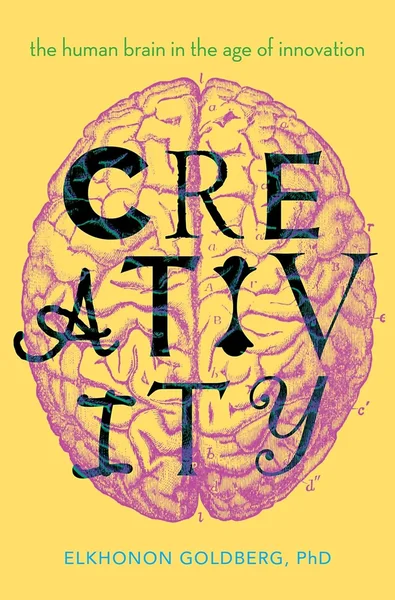
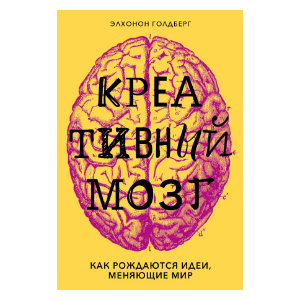
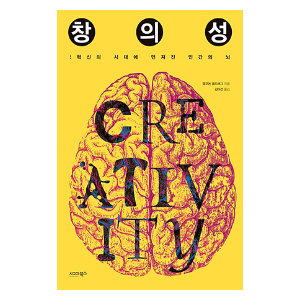
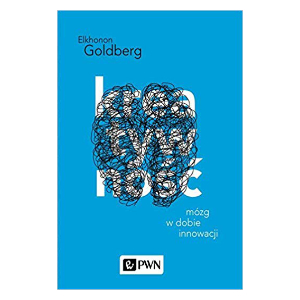
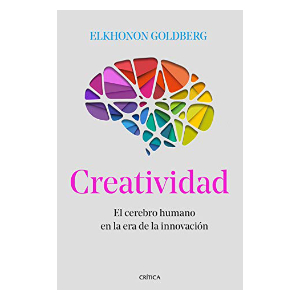
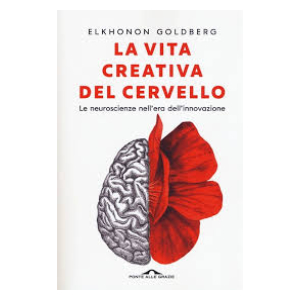
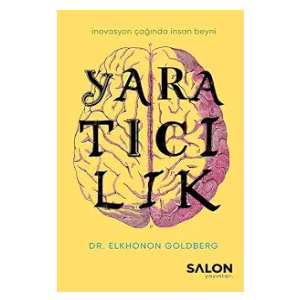
Creativity: The Human Brain in the Age of Innovation
What is the nature of human creativity? What are the brain
processes behind its mystique? What are the evolutionary roots
of creativity? How does culture help shape individual
creativity? Creativity: The Human Brain in the Age of Innovation
by Elkhonon Goldberg is arguably the first ever book to address
these and other questions in a way that is both rigorous and
engaging, demystifying human creativity for the general public.
The synthesis of neuroscience and the humanities is a unique
feature of the book, making it of interest to an unusually broad
range of readership. Drawing on a number of cutting-edge
discoveries from brain research as well as on his own insights
as a neuroscientist and neuropsychologist, Goldberg integrates
them with a wide-ranging discussion of history, culture, and
evolution to arrive at an original, compelling, and at times
provocative understanding of the nature of human creativity. To
make his argument, Goldberg discusses the origins of language,
the nature of several neurological disorders, animal cognition,
virtual reality, and even artificial intelligence. In the
process, he takes the reader to different times and places, from
antiquity to the future, and from Western Europe to South-East
Asia. He makes bold predictions about the future directions of
creativity and innovation in society, their multiple biological
and cultural roots and expressions, about how they will shape
society for generations to come, and even how they will change
the ways the human brain develops and ages.
Translated into Chinese, Estonian, Greek, Italian, Japanese,
Korean, Polish, Portuguese (Brazil), Russian, Spanish, and Turkish.
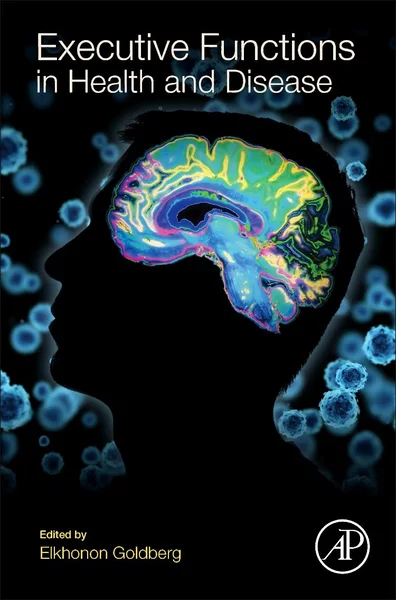
Executive Functions in Health and Disease provides a
comprehensive review of both healthy and disordered executive
function. It discusses what executive functions are, what parts
of the brain are involved, what happens when they go awry in
cases of dementia, ADHD, psychiatric disorders, traumatic
injury, developmental disorders, cutting edge methods for
studying executive functions and therapies for treating
executive function disorders. It will appeal to
neuropsychologists, clinical psychologists, neuroscientists and
researchers in cognitive psychology.
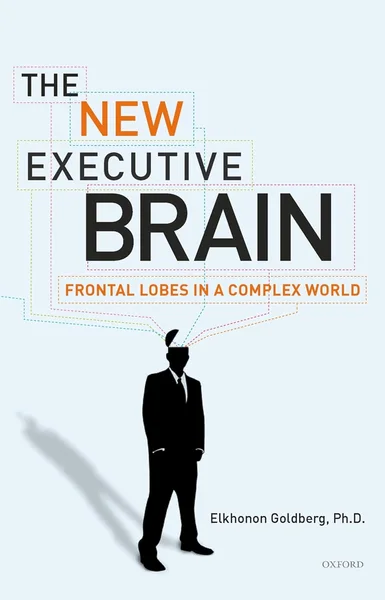
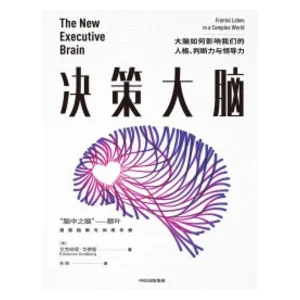
The New Executive Brain: Frontal Lobes in a Complex World
In The New Executive Brain, Goldberg paints a sweeping
panorama of cutting-edge thinking in cognitive neuroscience and
neuropsychology, ranging far beyond the frontal lobes. Drawing
on the latest discoveries, developing complex scientific ideas
and relating them to real life through fascinating case studies
and anecdotes, Goldberg explores how the brain engages in
decision-making; deals with novelty and ambiguity; and addresses
moral choices. He offers a totally new understanding of how the
two hemispheres interact. Goldberg's insights are refreshing
challenges to both cognitive neuroscience and neuropsychological
entrenched assumptions. With lucid prose and bold ideas, The New
Executive Brain is a provocative and creative exploration of the
brain.
Translated into Dutch, Italian, Polish, Turkish, and Chinese.
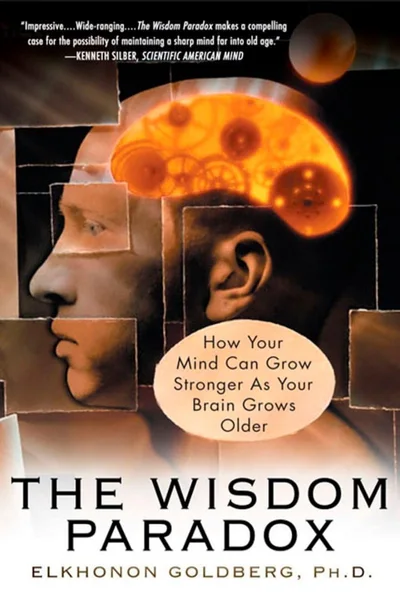
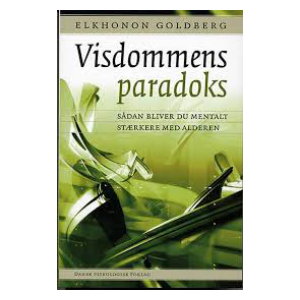
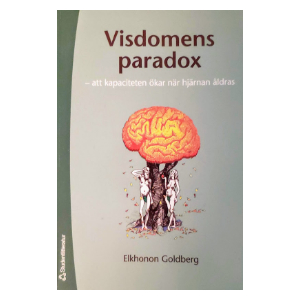
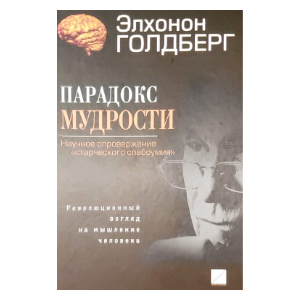
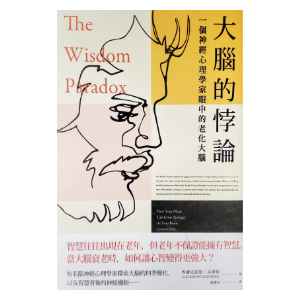
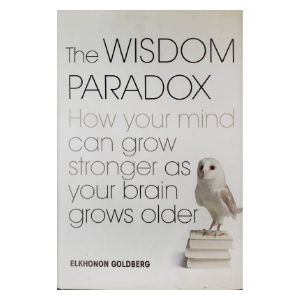
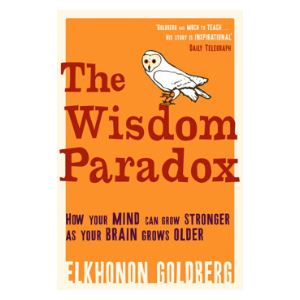
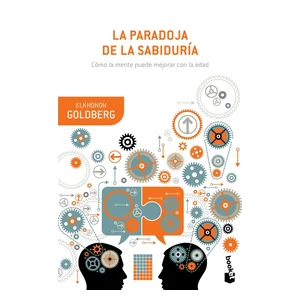
The Wisdom Paradox: How Your Mind Can Grow Stronger as Your
Brain Grows Older
This is the first popular book on cognitive gains of aging,
rather than cognitive losses. It brings together state-of-the-art
neuroscience, and the lives, anxieties and hopes of real
people, both ordinary and famous, as they age. While certain
mental functions decline, the ability to grasp "the big picture"
grows with age. The book discusses what can be done to keep
one's mind sharp, introduces the concept of cognitive fitness,
and describes a program designed to attain it. Contrary to the
traditional beliefs, our brain remains plastic and new nerve
cells continue to grow well into advanced age. The book
discusses what can be done to take advantage of this plasticity
in extending and enhancing the life of your mind as you age.
Translated into Chinese (Mainland China and Taiwan), Czech,
Danish, Dutch, French, German, Hebrew, Italian, Japanese,
Korean, Latvian, Polish, Portuguese (Brazil and Portugal),
Russian, Spanish, Swedish, and Turkish.
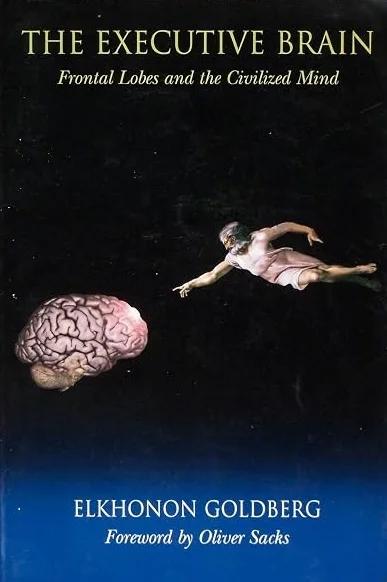
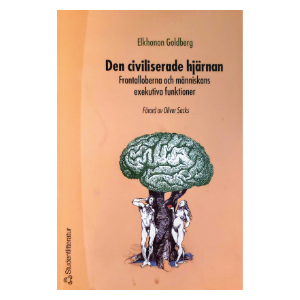
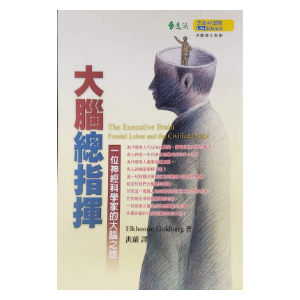
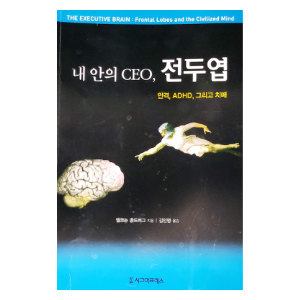
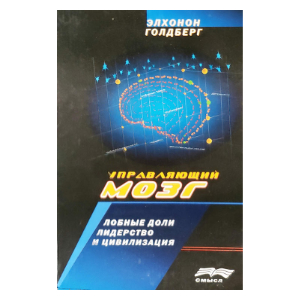
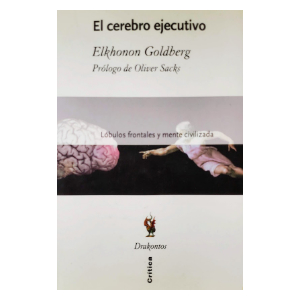
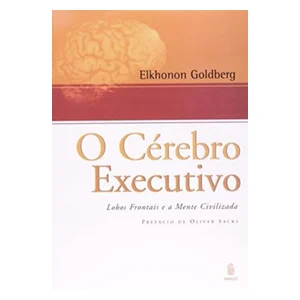
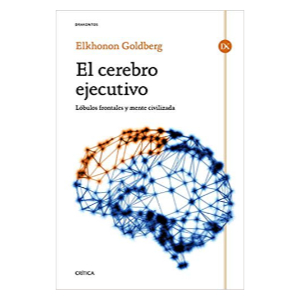
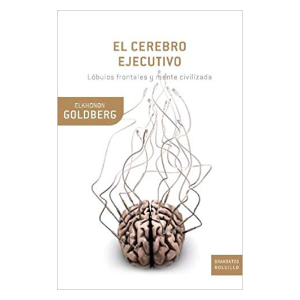
The Executive Brain: Frontal Lobes and the Civilized Mind
This is the first popular but rigorous book to explore the most
"human" region of the brain, the frontal lobes. It shows how the
frontal lobes enable us to engage in complex mental processes,
how they control our judgment and our social and ethical
behavior, how their injury often leads to chaotic, disorganized,
asocial and even criminal behavior. Replete with fascinating
case histories and anecdotes, the book offers a panorama of
state-of-the-art ideas and advances in cognitive neuroscience.
It is also an intellectual memoir, filled with vignettes about
the author's early training with Alexandr Luria, his escape from
the Soviet Union, and later interactions with patients and
professionals around the world.
Translated into Chinese (Taiwan), Czech, Danish, German,
Italian, Japanese, Korean, Portuguese (Brazil), Russian,
Spanish, and Swedish.
Contemporary Neuropsychology and the Legacy of Luria
This is a collection of scientific papers on a wide range of
topics in neuropsychology and cognitive neuroscience written by
the world's leading scientists and clinicians. The underlying
theme is the influence of the great Russian neuropsychologist
Alexandr Luria on the contemporary science and clinical practice
of neuropsychology.
Luria's Legacy in the 21st Century is a collection of
essays by leading neuropsychologists and cognitive
neuroscientists to honor Alexandr Romanovich Luria and highlight
the enduring impact of his legacy on cognitive neuroscience,
clinical neuropsychology and neurorehabilitation. A wide range
of topics are covered, from functional neuroimaging to bedside
evaluation techniques. Several generations of neuropsychologists
and cognitive neuroscientists are among contributors, including
those who closely worked with Luria, their own students, and
others influenced in their work by Luria's pioneering insights.
Broad in scope and rich in detail, each essay in the book
suggests that Luria's impact will be felt far into the future.
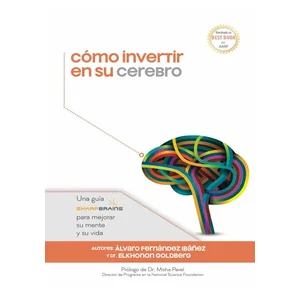
While most of us have heard the phrase "use it or lose it," very
few understand what "it" means, or how to properly "use it" in
order to maintain brain function and fitness. The SharpBrains
Guide to Brain Fitness is an invaluable guide that helps readers
navigate growing brain research and identify the lifestyle
factors and products that contribute to brain fitness. By
gathering eighteen of the top scientists and offering insight,
tools, and detailed descriptions of over twenty products, this
text is an essential guide to the field of brain fitness,
neuroplasticity and cognitive health. An accessible and
thought-provoking read, this book also educates lifelong
learners on emerging trends and forecasts of what the future
will hold.
Translated into Japanese, Polish, Portuguese (Portugal), and
Spanish.